 Rooslawn's Unmapped Worlds
Your game starts wrong
I loved Dispatch - a workspace drama comedy, a-la The Office for superheroes. I picked it up because it has a demo - so I tried it out. Demo was awesome. It throws you into the deep end of a workspace comedy - your first day in the office, great and witty humor, fantastic pacing, charismatic characters, and the minutia of superhero life. So I bought the full game.
Well, turns out the demo started with episode two. What I had to sit through with the full game is episode one - lots of exposition, some pretty generic superhero cutscenes, and the somewhat uninspired origin story for our hero - Robert Robertson. I sat through episode one because the demo got me invested, and I think I would’ve refunded the game in 30 minutes if I hadn’t played the demo first.
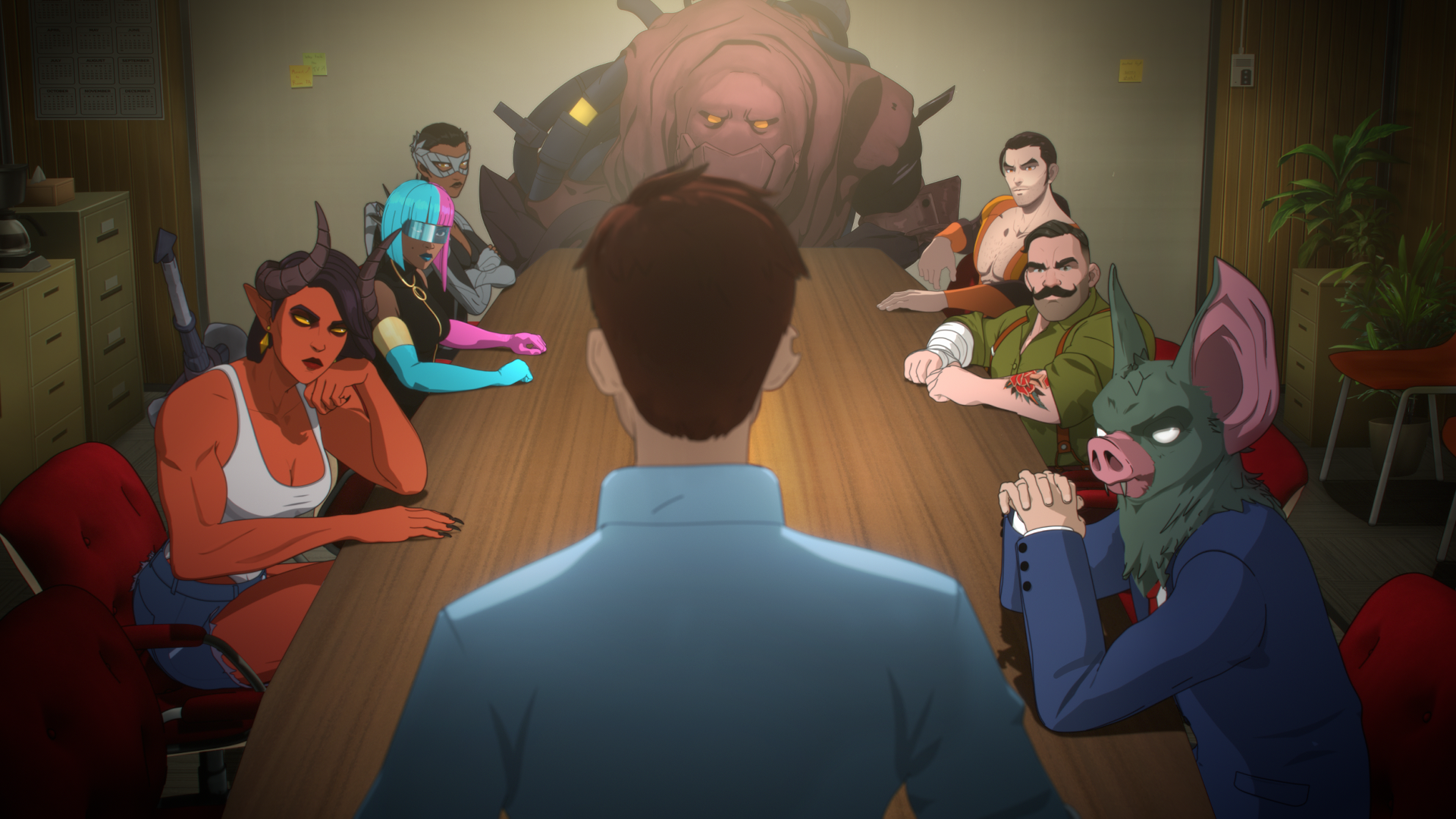 That’s Robert, facing his coworkers in Dispatch. In the demo, I didn’t know his backstory. But it didn’t matter, because I could see what kind of person Robert is through his interactions.
Which makes me wonder. Why the hell did the game not start at episode 2?
It’s an age-old writing problem - authors fall in love with the lore, reasons, motivations, backgrounds - and decide that they must lead with that. And I get it. These things truly matter. They separate surface level fiction from deeply engaging and thought provoking work. I like that the characters lived a full life before being in the main frame. I love that the world doesn’t feel like it popped into existence for me to engage with. But when I’m just beginning to engage with your work - I don’t have the motivation to sit through all of that. Not yet.
Connect your game to things I immediately understand. Need to get food? Yeah, happens to me several times a day - I’m motivated. Shelter? Yes, please. Protecting family? Humans are social creatures. Simple, deeply human things don’t need lore or much setup to pull me in. Or just give me a controller and let me hit things with a rock and find my own motivations.
Bad openings do neither. They ask you to care about things that only matter with context you don’t have yet. A deity monologuing in a void? A superhero origin story for a character I haven’t met? These are context-dependent stakes - and I don’t have the context.
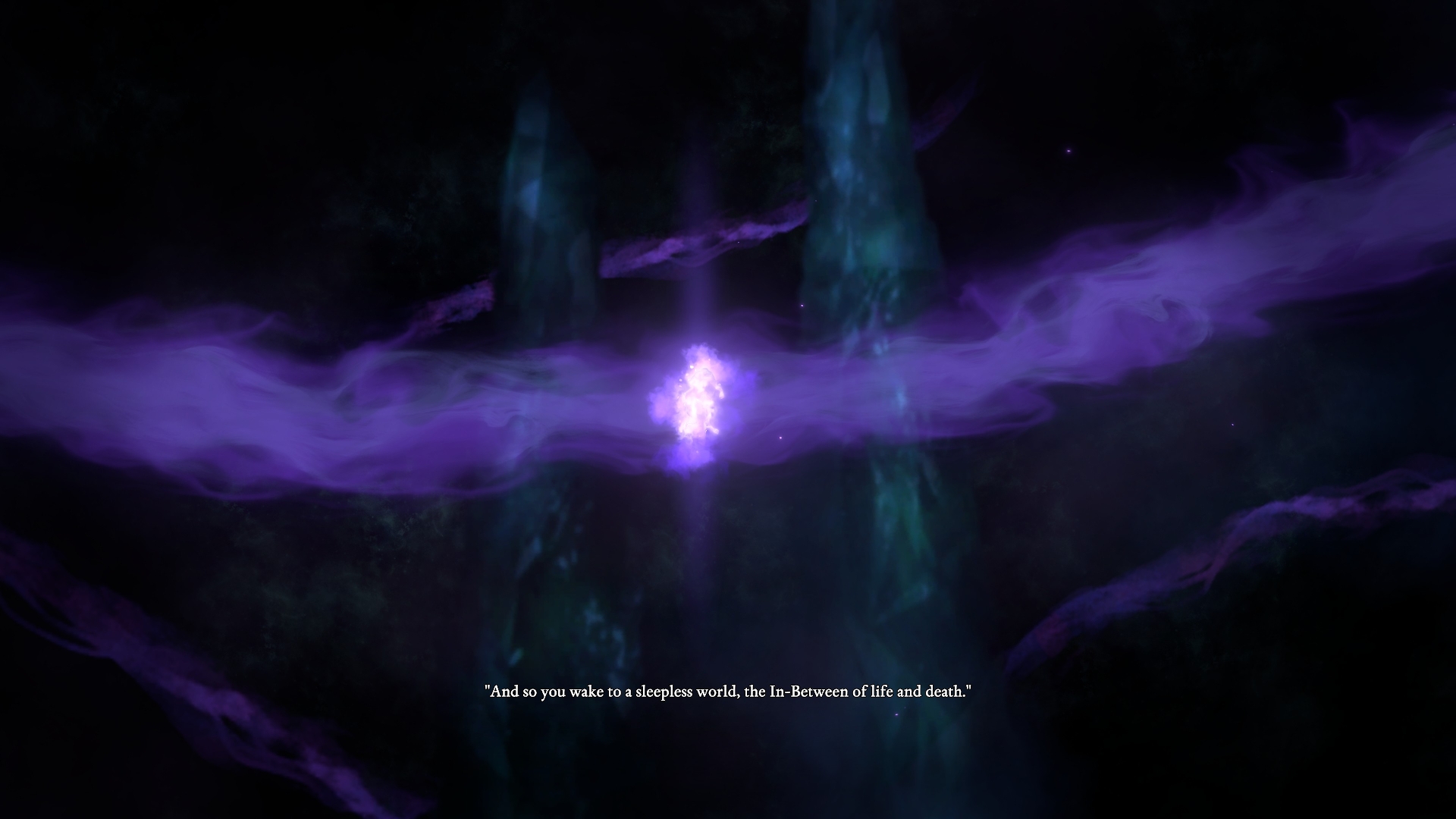 I’m sure there’s much significance here - but I eventually bounced off the first game, and it’s been long enough that I don’t remember why the purple void must be so important and why the exposition is worth sitting through.
I’m somewhat ashamed to admit I’m yet to play through Pillars of Eternity 2: Deadfire. I’ve heard it’s incredible, and for a CRPG fan it’s surely a must play. But I sat through 30 minutes of its introduction - a boring, sitting in the void, answering questions from a deity introduction - powered off the game, and decided “some other day.” I know it’ll get good, and I’ve read somewhere that it’s a lot less in love with its lore than the first game - but nothing hooked me in 30 minutes. The thing about empty void is that it’s a tad bit boring.
Put down your pitchforks, I just reinstalled it and will power through the beginning sometime soon. I know deep in my heart it’s an awesome game, the Internet told me so.
I get it, you have to teach a player how to play your game. No matter how much game reviewers like to riff on “press A to jump” or “use your mouse to look around”, we need those. This could be somebody’s first game in the genre. Hell, this could be somebody’s first game altogether. We need more people playing games, so more people end up loving games, and more people end up making games.
But man, intros suck. Tutorials suck. I find myself skipping tutorials more and more these days. I felt weird at first - like disrespecting the developer-intended path. You put your love into this game, you wrote this little guide for how to play - and I’m just throwing it out.
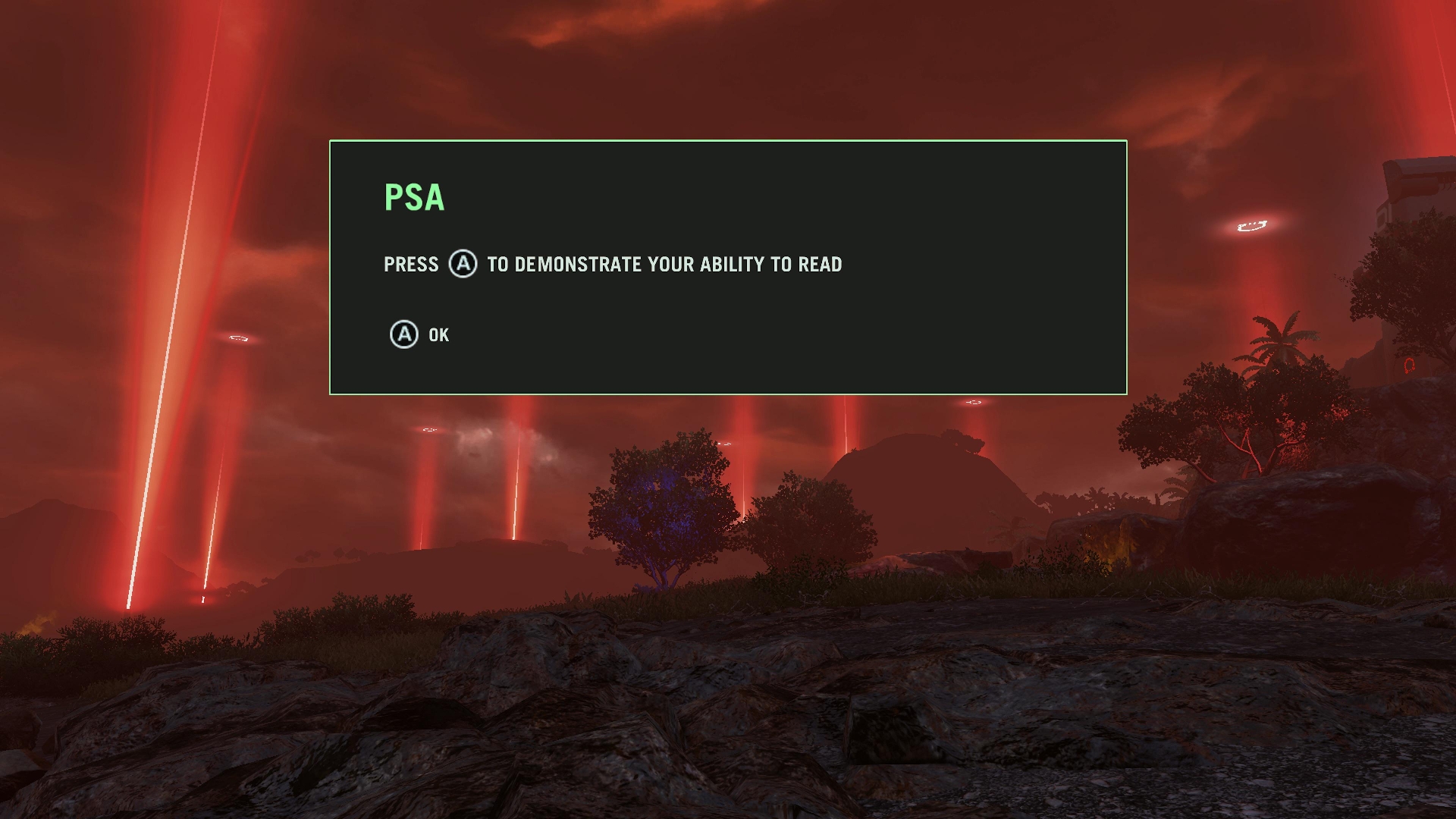 Far Cry 3: Blood Dragon sports the best tutorial I’ve ever seen. Other notable quotes include “Running is like walking, only faster”, and “Press Enter to make patronizing screens go away”, as the protagonist keeps getting more and more frustrated by the lack of meaningful gameplay.
But I’ve been having more fun engaging with systems and learning through failure. You don’t have to teach me that walking over a tripwire is a bad idea. I’ll do it once, reload, and won’t do it again. It’s how I play more open ended games these days - figure out the rules as my character starves, gets electrocuted, or eaten by a bear. Some of my favorite memories in strategy and management games are ruining my settlement because I didn’t yet understand a core mechanic.
You know what’s one of the worst offenders? JRPGs. That’s probably why I don’t love them as much as a genre. I played Xenoblade Chronicles 2 when I bought my Nintendo Switch - years ago. And I just kept feeling somewhat empty - 10, 20, 30, 40 hours in - but I kept reading that it eventually gets good. And I even understood how - but my man, why are you introducing core game mechanics so late into the game? Don’t do that please. It’s not just story that games front-load badly. Some withhold their own systems for dozens of hours, which might be worse.
I have less patience these days. I’ll use my toddler as an excuse - my time is limited. Give me a sword, or a gun, or a scanner - or whatever system-appropriate instrument to engage with your game’s systems, and let me run loose for a bit. Let me connect with the story on my own terms.
So what games do this right?
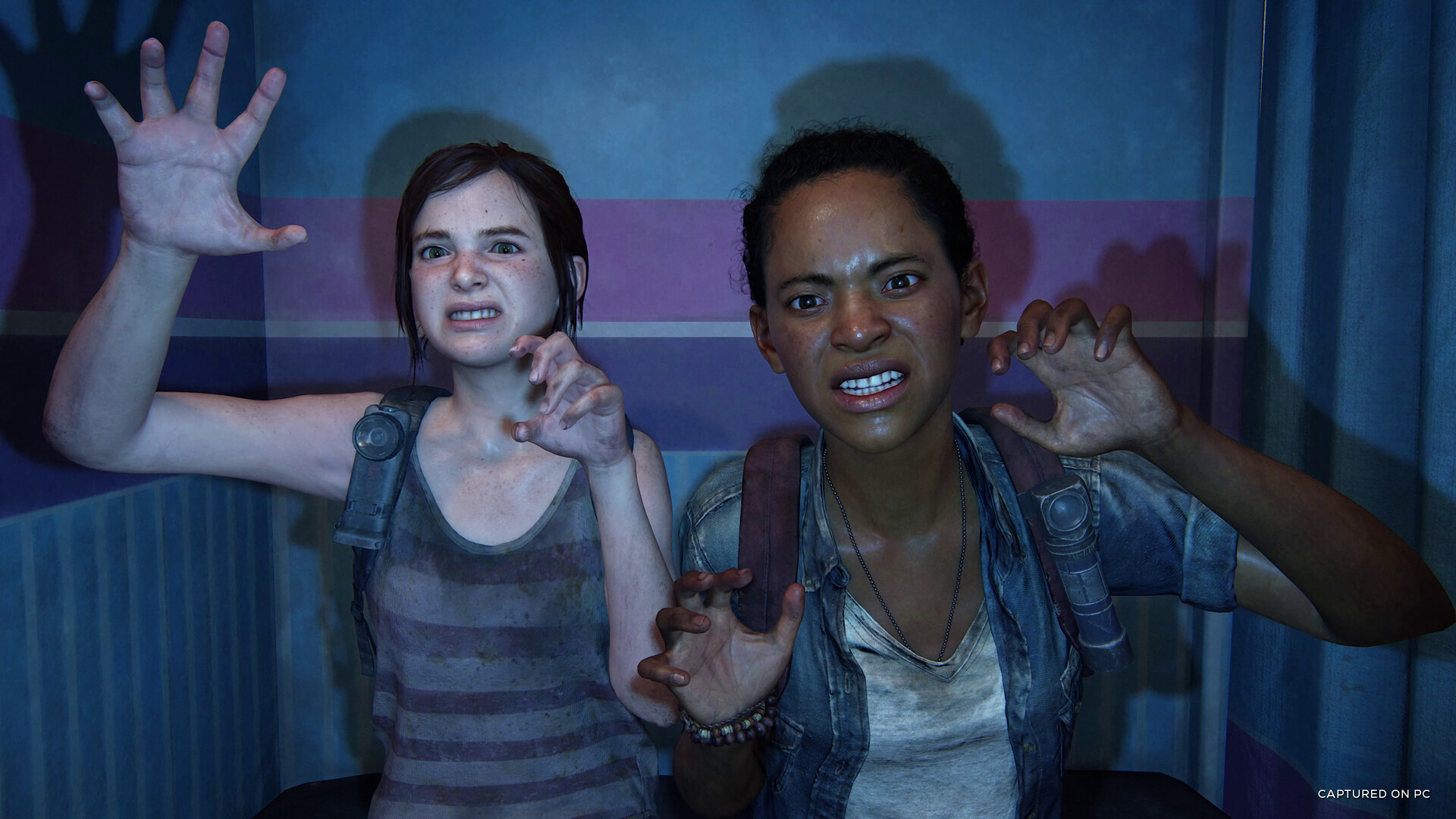 The Last of Us - Ellie and Riley having a bit of fun. Nothing bad’s going to happen here, I’m sure.
In the Dispatch demo, you’re dropped into a workspace that already exists. It’s 8 am, you’re working the shift. There’s no fluff - you’re navigating relationships in real time, not reading a lore dump on Invisigal’s origin story. In Baldur’s Gate III, the character creator is the game - given you’re familiar with Dungeons and Dragons, that is. And if you’re not, there are plenty of options to speed through and get to the action - the game starts with action, as you’re escaping a crashing nautiloid ship.
Outer Wilds gives you full controls right away - go figure things out, you should probably head down that way. I’m in the driver’s seat. Subnautica - crash, swim, survive. Game starts from moment one. And it works on both levels - you have agency AND you need to not drown. Breath of the Wild - even the tutorial island lets you play around with the game’s many systems from the get-go.
You know what else I barely have patience for? Cutscenes. If your game’s frontloaded by a 30 minute cutscene - I’m probably gone these days. Unless you’re Kojima, but then I’m coming in knowing that the man has zero respect for my time - or conventions, or storytelling. Hideo Kojima gets a pass, because I know I’m in for a ride. I don’t go into a movie theater expecting to be handed a controller after all. Many games don’t get that luxury from me though. Make me care, then make me sit through your two hour cutscene.
And then there’s The Last of Us. Its opening is basically a 20 minute cutscene. Barely any real agency. But you know what - there’s damn good storytelling. You don’t need to explain to me why a parent cares about protecting their kid. I’m a dad, I’m invested, I get it. So yeah, you can pull that off - but the narrative has to hit something I already carry with me. The game didn’t build that investment. I brought it.
If your game’s intro is not hitting something primal, if your lore requires context I don’t have yet - just let me play. I’ll find ways to get motivated. And if I don’t, at least I had fun hitting things with a rock.
The Dispatch developers proved this. Their demo - which starts at episode two - is a better opening than the game’s “actual” opening. AdHoc Studio knew this when putting up a demo, and should’ve done the same with the main game.