 Rooslawn's Unmapped Worlds
Oy, let me miss things
I just finished Lunacid. It’s a first-person dungeon crawler built as a love letter to FromSoftware’s King’s Field series - games I’ve never actually played. But games I’m aware of - these were the predecessors to Dark Souls, one of my personal favorites. Going in, I knew exactly two things about Lunacid: that King’s Field connection, and that somewhere in its depths there’s a Moonlight Greatsword. The Moonlight Greatsword - the one that shows up in almost every FromSoftware game. Dark Souls, Bloodborne, Elden Ring - it’s always there, always hidden, always worth finding.
Well, I didn’t find it. I didn’t even look.
I finished the game, uninstalled it, and moved on. And I think that’s the best way I could have played it.
What a real secret feels like
Lunacid requires you to intimately learn its layouts. It can be confusing - there are no maps, and the layouts are rather confusing, forcing you to become intimately familiar with the areas until you’re actually able to navigate them. I was exploring an area - couldn’t even tell you which one - and I thought something felt wrong about a wall I kept walking by. I couldn’t even tell you what, just something. So I walked up to it, pressed the interact button, the wall disappeared. And in a locked chest behind the door, I found a VHS tape. In my dark fantasy game. That was weird and cool.
I thought this was a one-off moment, but as I continued exploring, I kept finding new pieces of the puzzle. Another odd wall, and now a CRT TV behind it, with a video player hooked up to it. Well, in the VHS tape goes, and I watch the video. It’s a hint at the next step in the puzzle, and yet another tape. A few tapes later, I learn some secrets about the world, although I’m more confused than enlightened. Yet, that experience felt like my own. This was a secret I found.
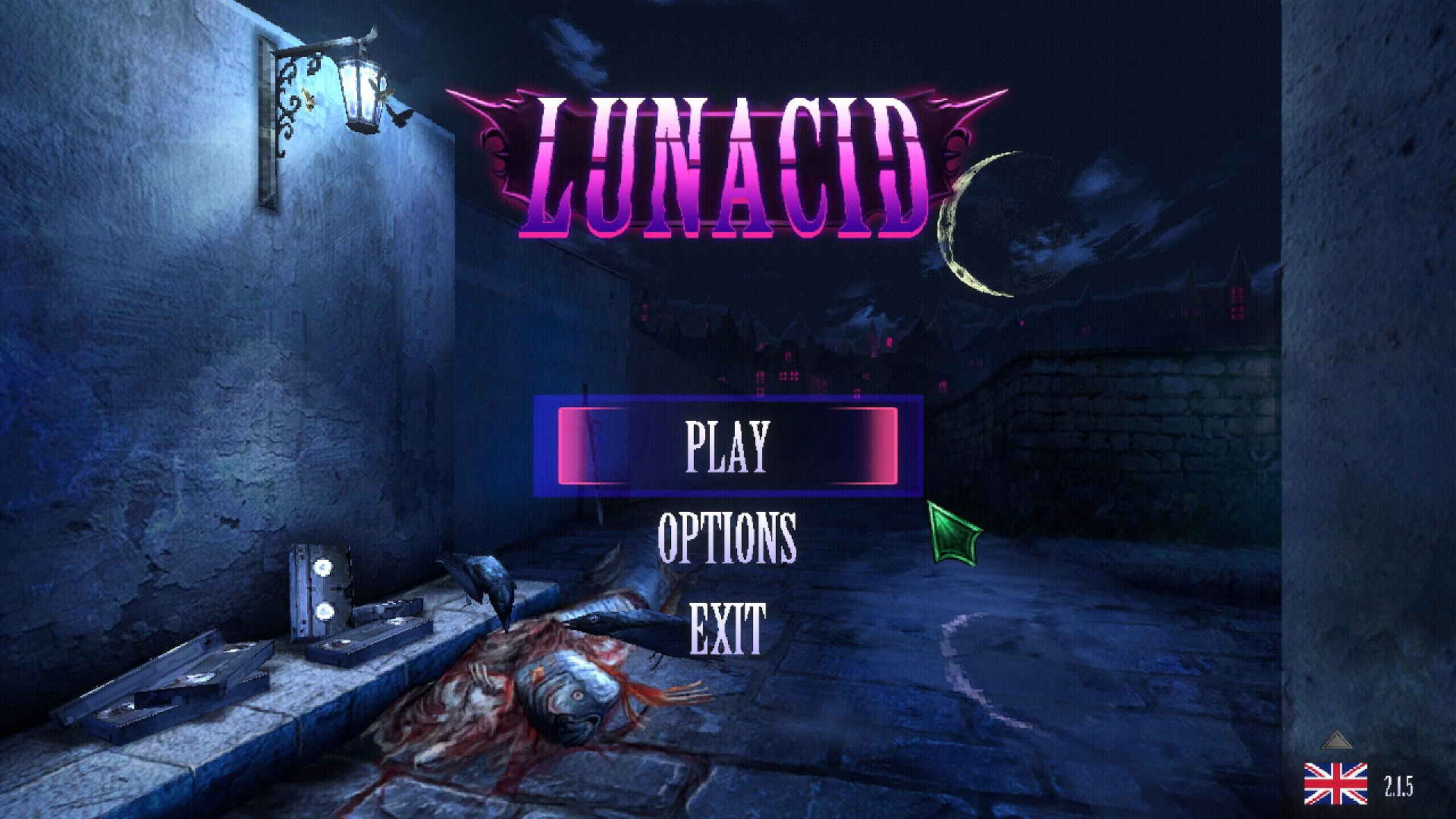 Now that I look at the title screen of Lunacid, I can definitely see the VHS tapes. I’m not an idiot, I swear.
The game never told me VHS tapes existed (although in hindsight, I should’ve paid attention to the title screen). There was no counter in a menu. No achievement notification telling me I’d found one of however many. I didn’t know if there were three or thirty. I just found one, and then later found another, and each time it felt like the game had slipped something into my pocket when I wasn’t looking.
Lunacid is stuffed with this kind of thing. Hidden areas inside hidden areas. Quests that don’t announce themselves as quests. Weapons tucked behind walls that have no visual tell. The game doesn’t surface any of it, and it’s perfectly fine with you never finding most of it.
Secrets versus collectibles
You know what doesn’t feel like a secret? A question mark on a map.
The Ubisoft school of open world design has trained an entire generation of players to think of hidden content as a checklist. Here are 123 chests. Here are 39 towers. Here’s a percentage ticking up every time you clear one. The content might technically be “hidden” in the sense that it’s spread across the map, but there’s nothing secret about it. The game has already told you it exists, told you how many there are, and is quietly judging you for sitting at 94%.
I think we can agree that these aren’t secrets. We’ve got to-do lists on our hands, and they suck.
A real secret doesn’t announce itself as a category. The game doesn’t even confirm there’s something to miss. You might walk right past a door that leads to an entire subplot, and the game will never clear its throat and say “You feel like you missed something important, are you sure you want to proceed?” You just… didn’t go that way. And the game is fine with it.
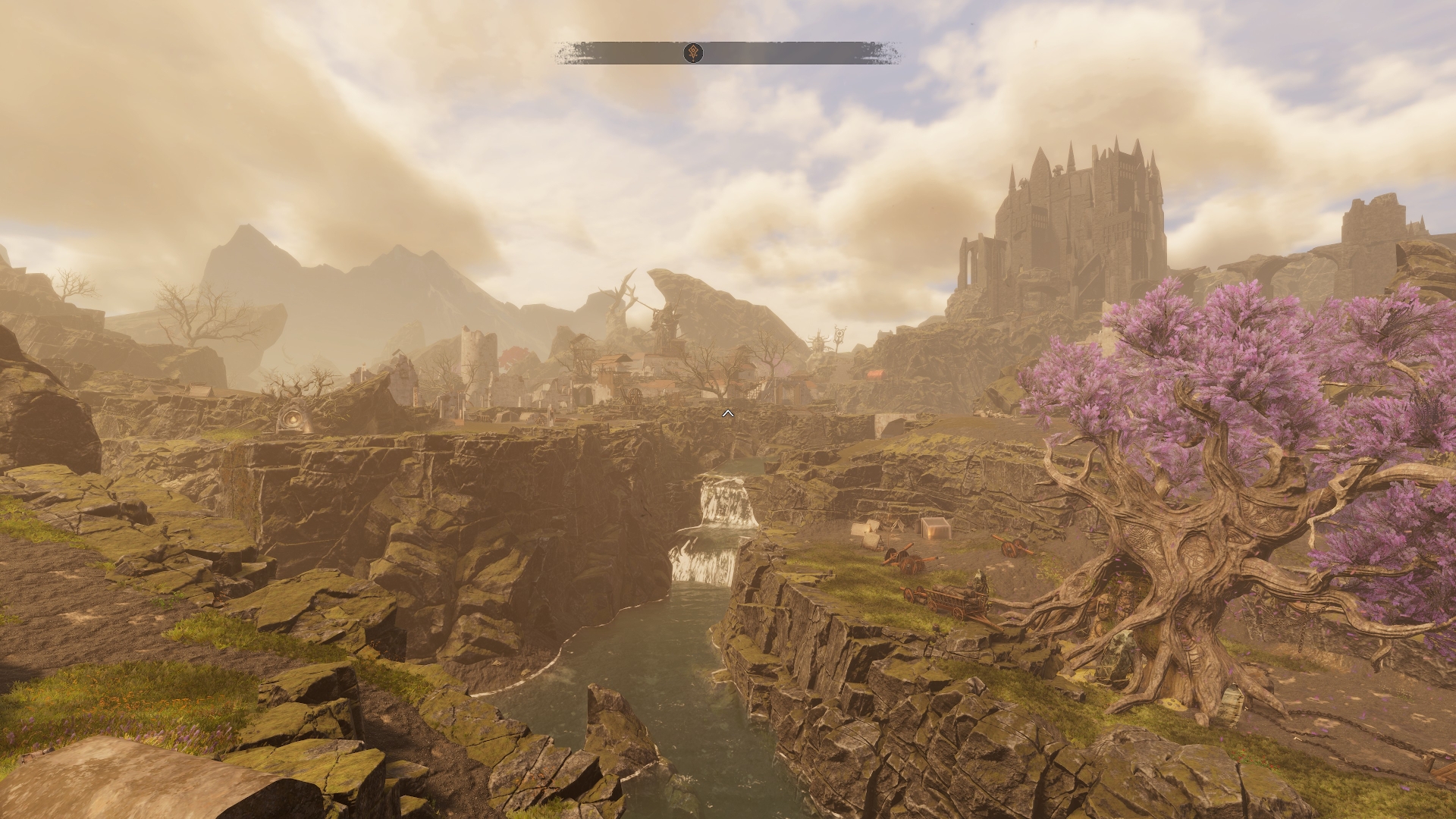 This section needed a screenshot to break up the text, so here’s Cuanacht - a second region of Tainted Grail: Fall of Avalon. The game’s got style. And secrets, too.
Tainted Grail does something similar with its quest structures. What started off as an NPC saved from an unmarked camp turned out to be a long and rewarding hidden storyline - with plenty of decisions which would just make you miss out on the rest (if you know - you know, but it has something to do with the giant crows). It’s an RPG that’s dense with branching storylines, and the branches don’t label themselves. You make a choice, the story moves forward, and you have no idea if the road you didn’t take led to ten hours of content or a dead end. Was that NPC important? Was that location going to open up later if I’d done something differently? You can’t tell.
Old games hid things because they had to
There’s a lineage to all of this. The original dungeon crawlers (and first-person shooters for what it’s worth) were built under brutal space constraints. When your entire game has to fit on a cartridge, you can’t sprawl. You can’t just add more map. So designers squeezed every drop of value out of what they had. Secret rooms behind false walls. Hidden passages that rewarded players who pushed against every surface. Entire areas accessible only if you did something unintuitive and specific.
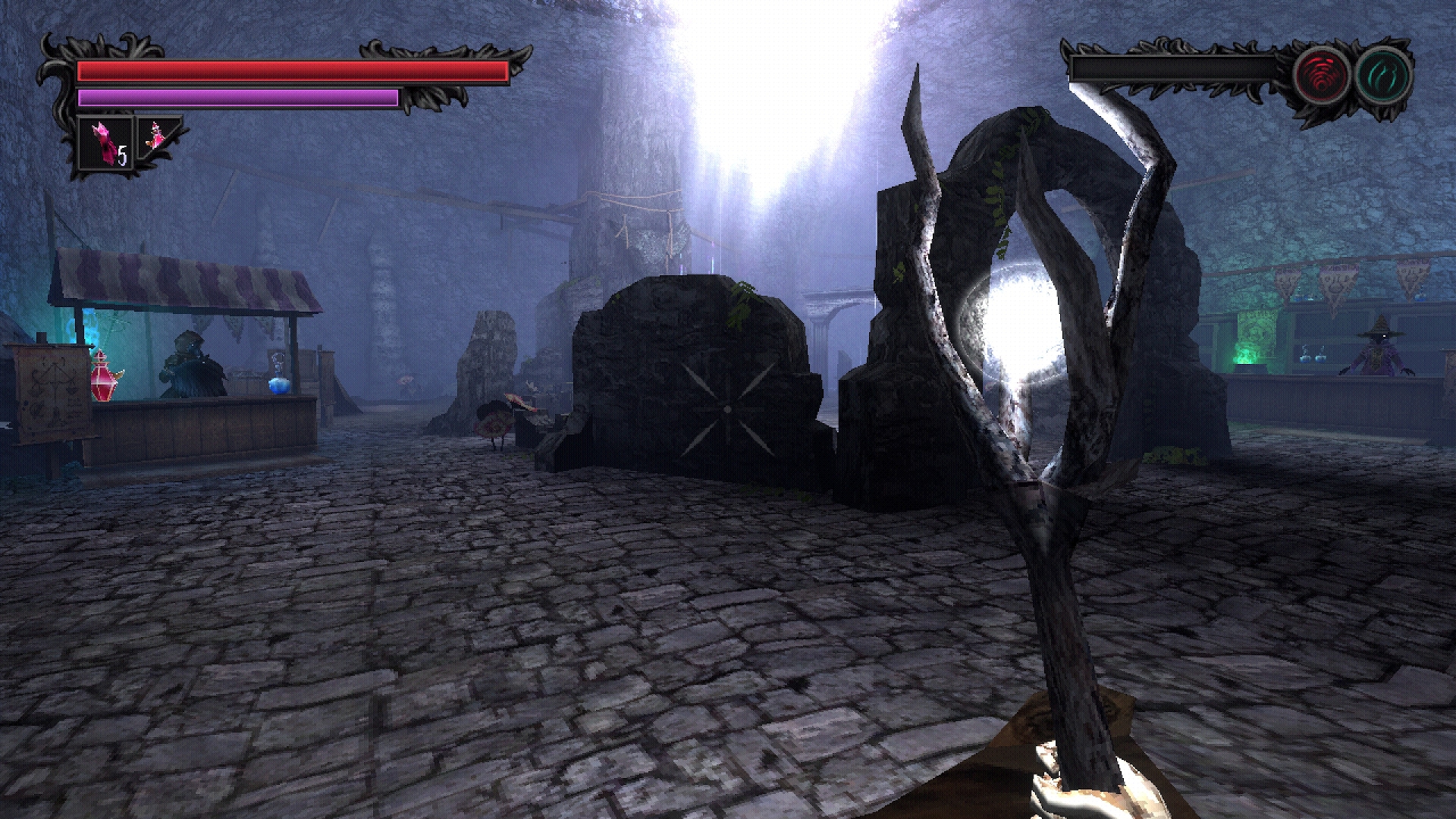 This is Wing’s Rest - Lunacid’s home base, the Firelink Shrine. Colorful characters love sharing their (usually tragic) stories, and hints for finding secrets often slip out.
Part of this was the arcade inheritance - games were supposed to resist you, supposed to hold things back, supposed to make you earn it. But part of it was also just who was making these things. Early game developers were hobbyists and obsessives. The kind of people who thought hiding a room behind a breakable wall with no visual indicator was just good game design. They were right, kind of.
Lunacid sits in direct conversation with this tradition, but there’s a key difference. Lunacid hides things, but it makes them relatively easy to find - you still feel really smart about uncovering the secrets, and there are layers upon layers here - but ultimately it’s all solvable. Kira, the developer, could have put those things on a map. Could have added quest markers. Could have surfaced the VHS tapes as a trackable collectible. Well, Kira’s a huge fan of the King’s Field games, and I’m glad Kira didn’t.
The two-way trust
When a game hides content without flagging it, it’s trusting you to be okay not finding everything. I kept walking past that wall in Lunacid - the one where something felt slightly off - and when I finally discovered it was an illusory wall, I realized the game was perfectly fine with me missing huge chunks of content.
Which conversely made me want to pay attention.
And when you don’t open a guide, you’re trusting the game right back. Trusting that the critical path is satisfying on its own, that the things you find will feel earned, and that the things you don’t find aren’t essential.
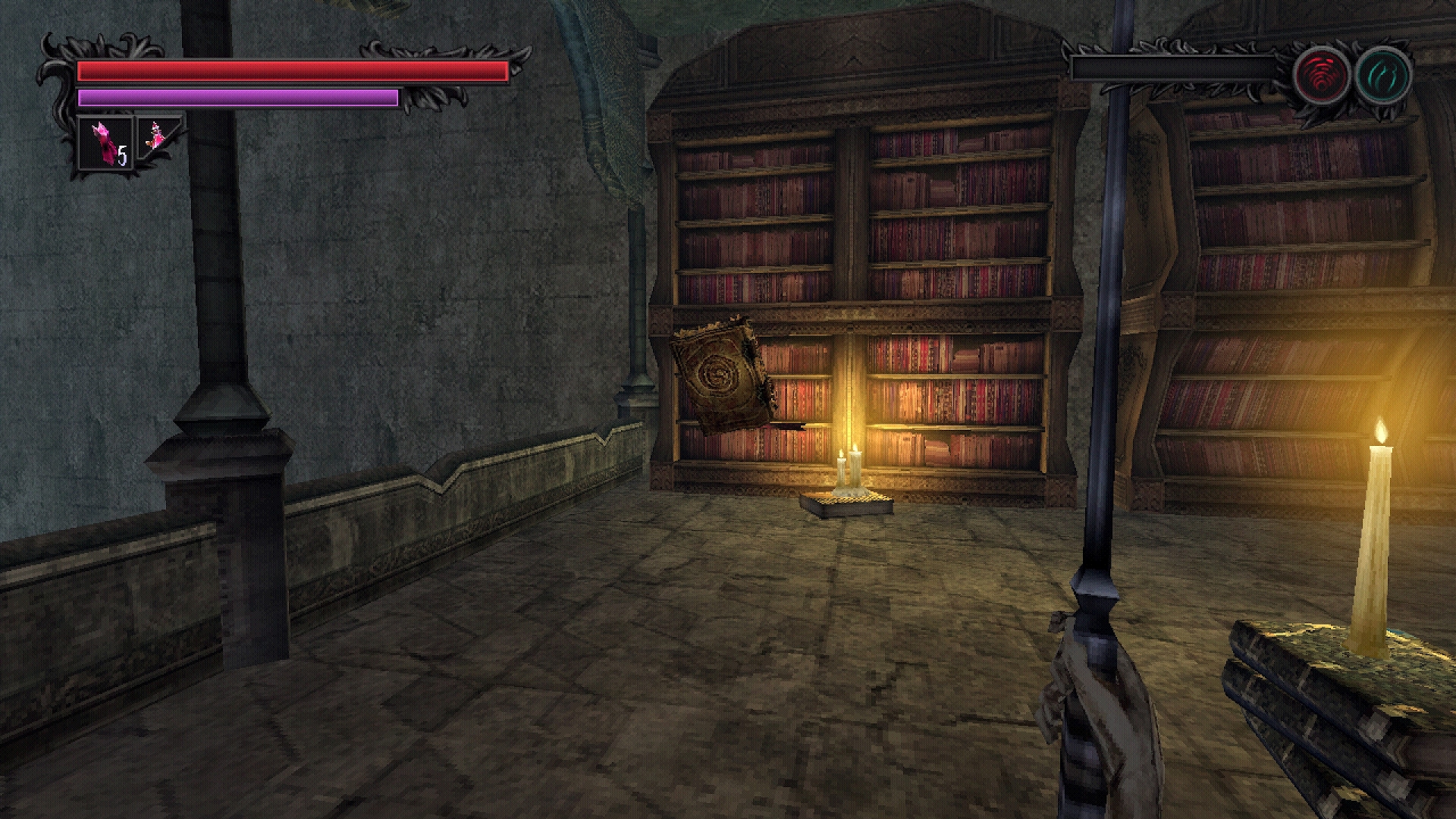 I love how Lunacid is perfectly content not letting you see whole areas of the game. Many areas aren’t required for completion, and it feels great to stumble into one “just because”. And yes, this book isn’t happy you’re in a forbidden library.
Both sides of this trust are eroding. Developers add percentage trackers and completionist achievements because players demand them. Players use guides because games are fifty, sixty, eighty hours long and who has time to replay something blind when your backlog is growing faster than you can make your way through it? I have a toddler. I optimize. Even before having a kid I optimized - that’s just how I play. I respect my time, so I look things up.
But the games that refuse this bargain - Lunacid, Tainted Grail, the Soulslikes - are asking you to accept gaps in your experience. To be comfortable with “what if?” as an answer. And they give something back for it: a version of the game that’s yours, gaps and all.
What happens when you break the trust
I know what happens because I did it recently.
My wife and I played through Dispatch together - her watching, me at the controls, our toddler asleep. If you haven’t heard of it, Dispatch is an office drama narrative game for superheroes. Turning our rag-tag team of villains into true heroes felt incredible, and camaraderie which developed within the group was just so… human? We finished it and I felt good about the experience.
And then I looked up the alternate endings.
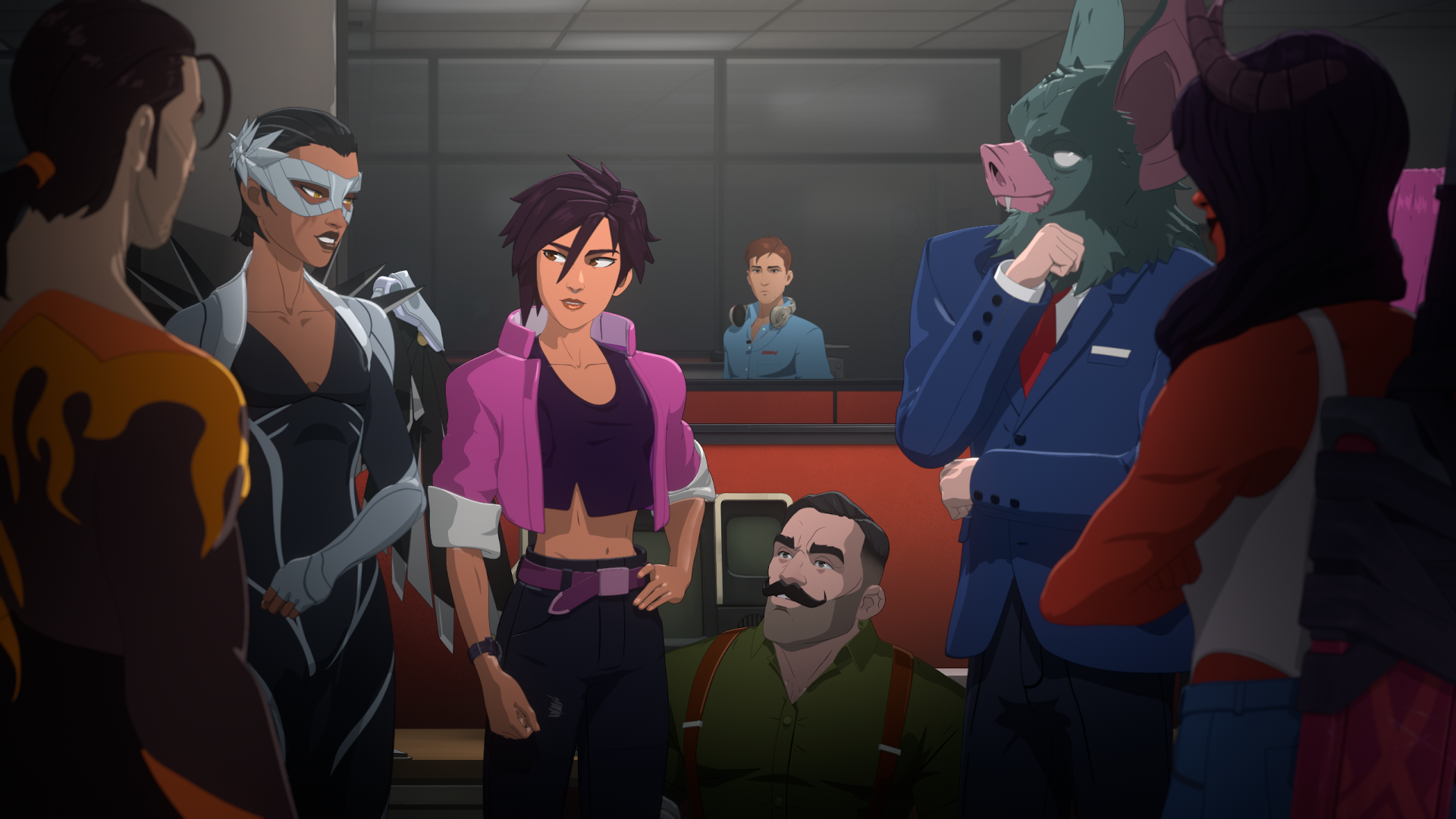 Dispatch’s Z-team is made up of (eventually) lovable gang of misfits, and it feels like your choices alone led them to be a cohesive unit.
I wanted to know what we’d missed. What choices mattered. What would have gone differently. And what I found was that not many choices did. What seemed like my personal story, shaped by my decisions - the things Robert (the protagonist) did - turned out to be just different flavors of the same thing.
My relationship with the game changed. That feeling of having made meaningful choices, of having shaped something - it deflated. Not because the game had lied, exactly, but because I’d looked behind the curtain when nobody asked me to. The mystery was doing real work, and I took it apart with my own hands. I broke the contract.
Contrast that with Lunacid, where I walked away clean. I don’t know what I missed. I don’t know how much I missed. Maybe there’s a dozen other endings I haven’t seen, and maybe I’ve only engaged with a small portion of the game. Or maybe I’ve seen all there is to see. I’ll never know. On purpose.
The Moonlight Greatsword problem
In Elden Ring, I looked it up. The Moonlight Greatsword - or the Dark Moon Greatsword, as it’s called - requires a very specific questline that’s easy to miss or break. Ranni’s quest. I followed a guide for it, performing esoteric steps at the right time all throughout my hundred-something hour playthrough. Found the sword. Equipped it. Used it for a while, even built a whole character around it.
It felt okay-ish.
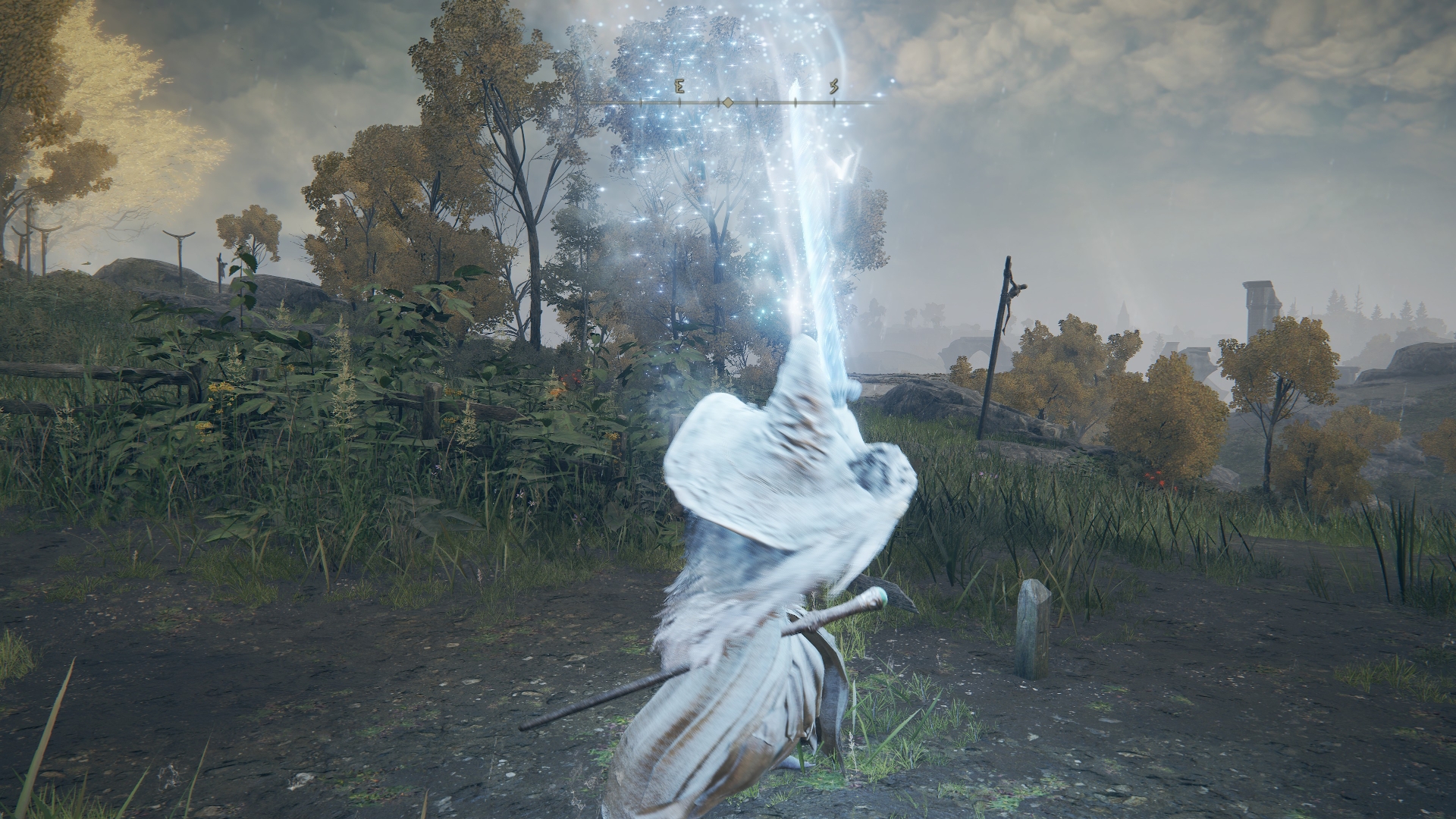 This is the coveted Dark Moon Greatsword, aka the Moonlight Greatsword. It’s really powerful - enough to trivialize much of the late game, and dressing up to complete the ice queen look is non-optional.
Not bad. Just… okay. I had the item, but I didn’t have the discovery. The moment I googled “how to get moonlight greatsword elden ring,” it went from a mystery to a set of instructions. Go here, talk to this person, go here, do that a dozen times across different hidden locations. Get the sword.
In Lunacid, the Moonlight Greatsword is in there somewhere. I know this. I could look up how to find it right now. I could probably have it in twenty minutes. But the version of the sword that exists in my head - the mystery of where it’s hidden, what it looks like in Lunacid’s low-poly aesthetic, what strange sequence of events leads to it - that version is more interesting than whatever the wiki says. I don’t want the answer. I want the question.
The save file I’ll never load again
I used to think not seeing everything in a game was a failure. A personal failure - like I hadn’t respected the developer’s work, hadn’t gotten my money’s worth, hadn’t really finished the game. The completionist impulse is strong, and I don’t think it comes from nowhere. Some of it is genuine respect for what someone built. Some of it is FOMO. And some of it is just conditioning - percentage goes up, percentage should reach 100, anything less means you left something on the table.
It’s been a long arc for me to get to the point where I can say “I’m done with this game” and mean it. To uninstall something knowing full well there’s content I never touched. I’m proud to say I don’t know what different decisions would’ve looked like in Tainted Grail: Fall of Avalon. I’m not buying the DLC. I enjoyed the game, the chapter is closed. Goodbye.
But here’s the thing I keep coming back to. My Dispatch playthrough, the one where I looked everything up afterward, feels less complete than my Lunacid playthrough where I didn’t. Completionist logic says the opposite should be true - I know more about Dispatch, I’ve seen behind every curtain, I have the full picture. But the full picture turned out to be smaller than the partial one. The gaps in Lunacid are where the game still lives. The places I didn’t go, the sword I didn’t find, the VHS tapes I might have missed.
The save file I’ll never load again has a specific shape. My shape. The path I took through the game, the things I happened to find, the doors I opened and the ones I walked past. Nobody else played exactly that version of Lunacid.
Somewhere in there, there’s a Moonlight Greatsword I’ll never pick up. I think I’m okay with that.